

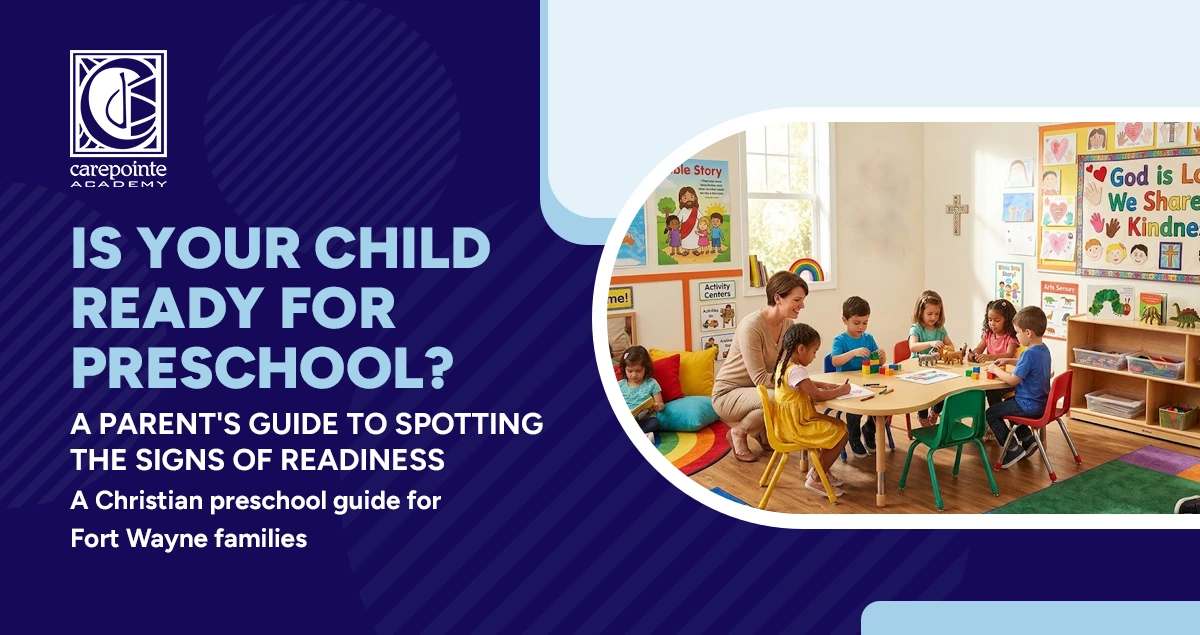
Watching your child grow from a tiny infant into a walking, talking toddler happens in the blink of an eye. One moment, you are rocking them to sleep, and the next, you are researching the best age for preschool enrollment, local preschool programs, and the right Christian preschool in Fort Wayne for your family.
This transition from a cozy home environment to a structured classroom is a major leap for any family. It requires a delicate blend of social awareness, emotional stability, and physical independence from your little one. For many Fort Wayne families, it also means finding a Christ-centered learning environment where children feel safe, loved, and supported.
This guide by Carepointe Academy will help you determine if your child is ready for school by exploring crucial developmental milestones and considering their individual needs. You will also learn how a loving Christian community can support your child’s confidence, character, and early learning journey.
What is the Best Age To Start Preschool In Fort Wayne?
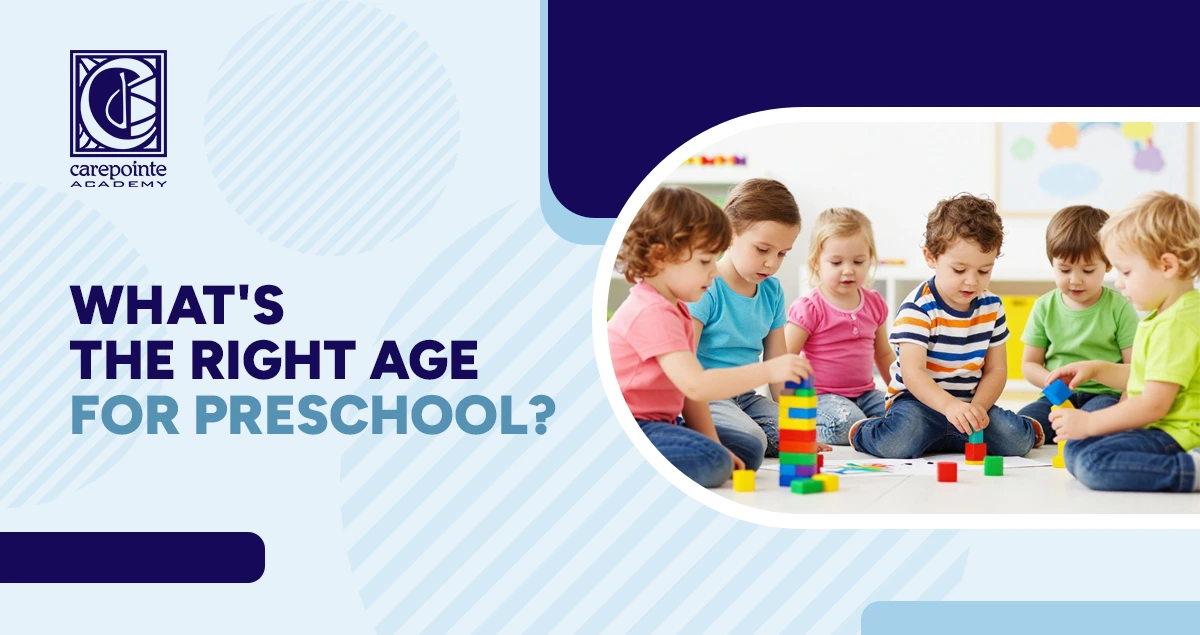
When discussing the best age to start preschool, many child development experts point to the window between three and four years old. In the United States, this is a common starting point for formal preschool programs because it often aligns with major developmental growth.
In a Christian preschool environment, this stage is also an opportunity to gently nurture kindness, patience, friendship, and respect for others. Caring Christian teachers can help children practice these values in everyday classroom moments, from sharing toys to comforting a friend.
For families considering a Fort Wayne preschool, age is only one part of the decision. Preschool readiness also depends on your child’s communication, independence, emotional comfort, and ability to participate in a classroom routine.
Cognitive Development
At around three years old, curiosity takes center stage in your child’s life. Suddenly, the “why” questions multiply, and you may notice your child is eager to understand how the world works. Vocabulary and communication skills are blossoming rapidly, helping your child share thoughts, needs, and ideas with greater clarity. These signs of growing cognitive abilities point to a readiness for new learning opportunities in a preschool environment.
Social and Emotional Growth
As preschool age nears, children begin to show a new fascination with other kids. You might see your child gravitating toward group activities or wanting to share toys, even if sharing is still a challenge. This is also a season when emotional outbursts are common, but so are new displays of empathy, like comforting a friend who is sad. This blend of big feelings and new friendships is an essential part of preparing for the classroom.
Self-help Skills and Independence
Another key part of this stage is the push for independence. Children thrive on small achievements, like washing hands, pulling on their own shoes, or choosing snacks. At this age, many are working towards being fully potty-trained and managing simple self-care tasks. These gains in self-reliance help children feel confident as they tackle new experiences at preschool, making the transition smoother for both the child and the parent.
At Carepointe Academy, these practical skills are supported with encouragement, patience, and loving guidance. Children are not expected to be perfect before starting preschool. Instead, they are supported as they grow in confidence within a Christ-centered classroom.
That said, parents should remember that readiness varies from child to child. Two children born on the exact same day might have vastly different readiness levels. One child might possess the vocabulary of a four-year-old but struggle with the emotional regulation typical of a two-year-old. Another might be highly independent physically but incredibly shy in social settings.
This uneven development is normal in early childhood. The goal is not to rush your child, but to choose a preschool environment where they can feel safe, supported, and ready to grow.
Is My 3-Year-Old Ready For Preschool?
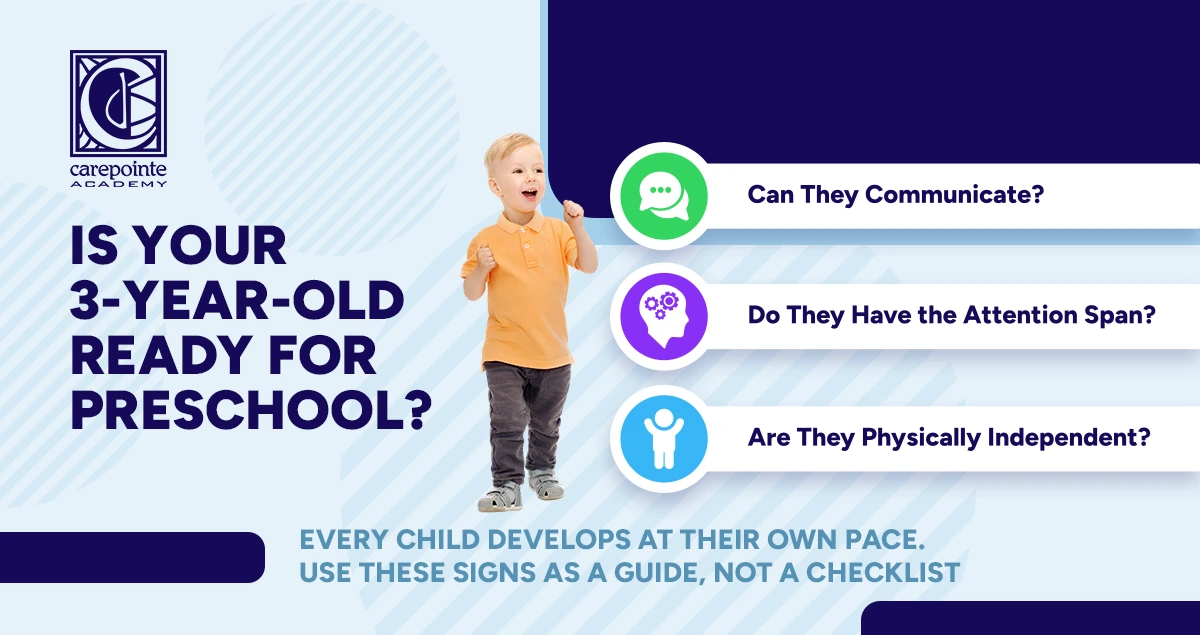
The third birthday is often viewed as a magical threshold in a child’s life. Your toddler is officially leaving the baby phase behind and stepping into a season of rapid cognitive and physical growth. Because of this highly visible milestone, parents frequently ask the vital question: ” Is my 3-year-old ready for preschool? For families exploring preschool in Fort Wayne, the answer depends on more than age alone.
Can Your Child Communicate Basic Needs and Feelings
Communication skills are one of the very first factors to evaluate. A child does not need to have perfect pronunciation or an advanced vocabulary to start school. However, they should be able to let an adult know when they are hungry, thirsty, or need to use the bathroom.
They must also be able to ask for help when they are feeling stuck, hurt, or overwhelmed. A child who can express their basic needs will naturally feel much more secure in a new environment.
Does Your Child Have a Preschool-Ready Attention Span
Attention span is another critical component to consider at this age. Preschool classrooms offer plenty of free play and exploration, but they also include structured moments that require patience. Activities like story time, singing group songs, and sitting at a table for a snack require some focus.
A three-year-old who is ready for school can usually concentrate on a single activity for five to ten minutes without becoming overly frustrated.
Is Your Child Physically Independent
Physical independence also plays a major role in preschool success. Teachers are always there to help, but children feel a massive sense of pride when they can manage basic tasks independently. Notice if your child can wash their hands with just a little verbal guidance. Pay attention to whether they can pull their pants up and down on their own.
Occasional accidents are completely expected, but having a basic grasp of bathroom habits strongly indicates that a child is ready for the practical responsibilities of school.
How To Prepare Your Child For Preschool At Home
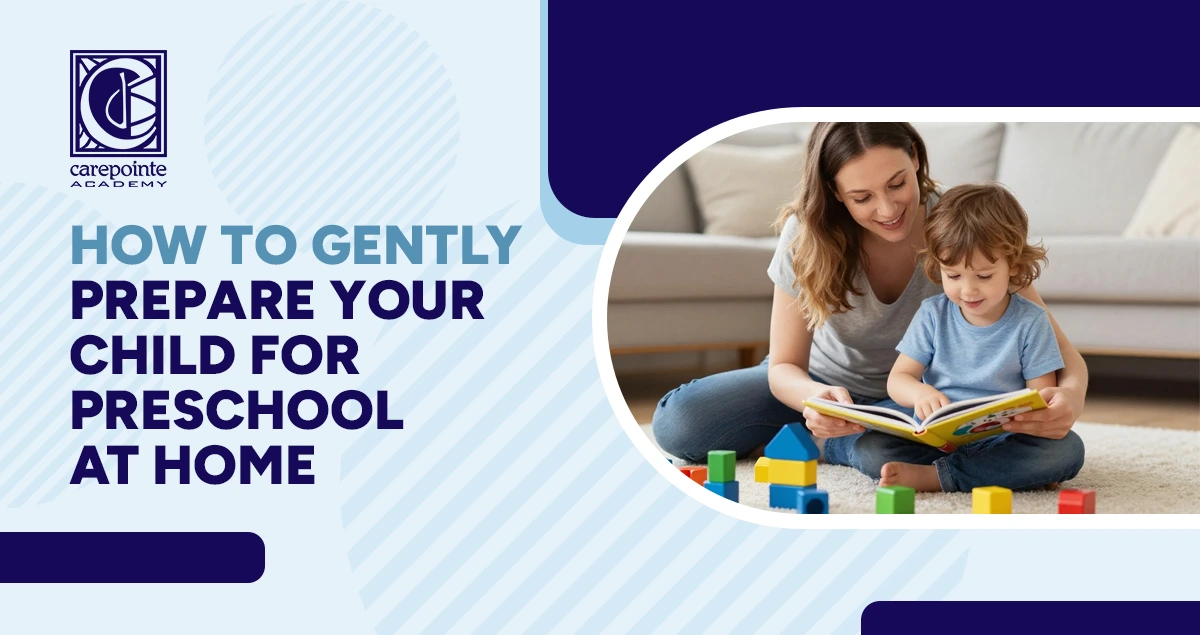
Every child is wonderfully different, and signs of preschool readiness are not always obvious. What helps most is watching for small changes in your child’s behavior while gently encouraging skills they will use in a preschool classroom. For families preparing for Christian preschool, this can also be a meaningful time to practice prayer, kindness, patience, and trust at home.
Set Up Playful Practice Scenarios
Children build school-ready confidence through everyday experiences. Arrange pretend play sessions where your child “goes to school” at home, complete with a backpack, story time, and brief goodbyes. You can also include simple Christian routines in your pretend school day, such as praying before snack, reading a short Bible story, or practicing kind words with siblings and friends.
Ask for Your Child’s Input
Preschool is more than an academic milestone; it’s deeply personal. Ask your child how they feel about starting school and listen without correcting or dismissing their worries. Invite them into simple decision-making, such as choosing their backpack, packing a lunch, or selecting a book for bedtime. When children feel they have a voice in this transition, their willingness to try new things often grows.
Lean Into Rhythm and Routine
A key part of readiness is how children handle transitions and routines. Before preschool begins, gradually introduce similar routines at home, such as getting dressed at the same time each morning or washing hands before meals. These rhythms can also reflect your family’s Christian values. A simple morning prayer, a gratitude moment before meals, or a calming Bible story at bedtime can help your child feel grounded during the preschool transition.
Celebrate the Small Successes
Preschool readiness is not about perfection but about progress. Notice and praise even the tiniest efforts, whether it’s greeting a new friend at the park or following a simple direction the first time. Your encouragement reassures your child that new efforts are valued and that “trying” matters just as much as “getting it right.”
By treating readiness as a journey, not a checklist, you help your child develop the flexibility and confidence they’ll carry into school and beyond. And remember, your calm, supportive presence is the best preparation of all, no matter the pace of your child’s growth.
What To Do If Your Child Is Not Ready For Preschool Yet
Sometimes, after looking closely at preschool readiness signs, parents realize their child may need more time before entering a formal classroom. If this happens, there is no need to rush.
Waiting a little longer does not mean your child is falling behind. It simply means your family has more time to build confidence, independence, and comfort before preschool enrollment. Here are a few practical ways to prepare your child at home:
- Create a predictable daily routine: Serve meals and snacks at the same time every day. Establish a consistent wake-up routine and a calming bedtime schedule. Predictability helps children feel safe, lowers their daily anxiety, and directly mirrors the structure they will eventually experience in a school setting.
- Foster socialization in safe spaces: Schedule regular playdates or visit the local Fort Wayne park. Stay nearby to offer comfort, but allow your child to interact with other children on their own terms. These small moments can support toddler preschool readiness and help your child practice kindness, patience, and sharing.
- Ease separation anxiety gradually: Start with short separations, like leaving your child with a grandparent for 30 minutes while you run an errand. Gradually increase your time away as your child becomes more comfortable. Always say a clear, confident goodbye and let them know when you’ll be back. This builds trust and shows them they can handle being apart.
- Read books together daily: Reading aloud introduces new vocabulary, helps develop listening skills, and builds the attention span needed for classroom learning. Choose books about starting school to familiarize them with the idea in a positive way.
More Than ABCs: Why Christian Values Matter In Preschool Readiness
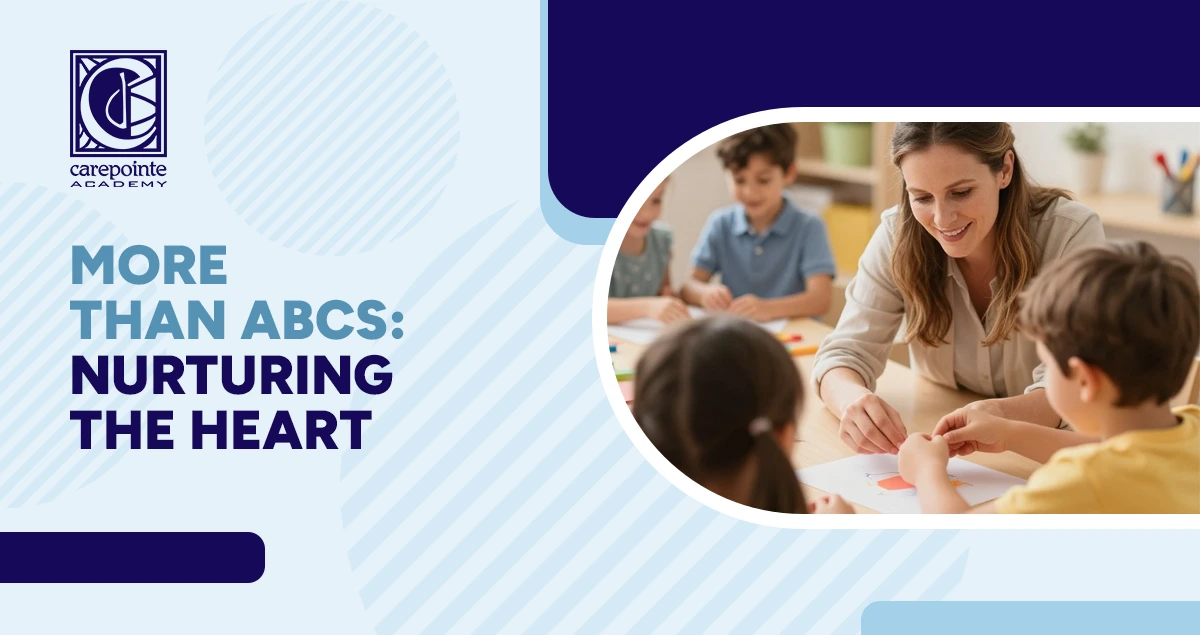
When deciding the best time to start preschool, parents are also deciding who will help shape their child’s daily routines, friendships, character, and early view of the world. True education goes far beyond learning the alphabet, recognizing colors, and counting to ten. It involves nurturing the heart just as much as the mind.
If you’re looking for a childcare environment that reflects your family’s values, a Christian center can be a wonderful choice. It can act as an extension of the love, care, and Christian values you provide at home. When children learn early that they are deeply loved by God, they can develop a strong sense of security, belonging, and self-worth.
At Carepointe Academy in Fort Wayne, we integrate these Christian values seamlessly into daily classroom routines. Children learn to pray before meals, cultivating a genuine heart of gratitude. They listen to Bible stories that highlight the everyday importance of kindness, patience, and forgiveness.
Children learn how to treat their peers with compassion because they are taught that every person is uniquely created and valued. This Christian foundation helps children navigate the social challenges of preschool with confidence, empathy, and care.
Start Your Child’s Journey at Carepointe Academy
Deciding when to begin preschool is a personal family decision. You know your child’s needs, personality, and readiness better than anyone, and choosing the right environment can make the transition feel more peaceful and supported.
If you are looking for a Christian preschool in Fort Wayne, Carepointe Academy offers a loving community where children can grow academically, socially, emotionally, and spiritually. Our caring Christian teachers support preschool readiness through structured routines, early learning programs, character development, and Christ-centered care.
Schedule a tour of Carepointe Academy today and discover how our Christian values, nurturing classrooms, and local preschool programs can help your child step into their next chapter with confidence.
===
Frequently Asked Questions
What is the best age to start preschool in Fort Wayne?
Many children begin preschool between ages three and four, but the best age depends on preschool readiness, not age alone. Fort Wayne families should look at communication, independence, emotional comfort, social interest, and the type of preschool environment that will best support their child.
Does my child need to be potty-trained before preschool enrollment?
Potty training requirements vary by preschool program and age group. Some programs support children who are still learning, while others expect more independence. Carepointe Academy partners with families to encourage potty training support with patience, consistency, and confidence-building guidance.
What should I do if my child has preschool separation anxiety?
Preschool separation anxiety is common, especially during the first few weeks. Keep your goodbye routine short, warm, and consistent. Reassure your child that you will return, then allow the teacher to comfort and guide them into the classroom routine. In a caring Christian preschool environment, children receive patient support as they adjust.
Can a child be too old for preschool?
If a child has missed the typical preschool window, they usually transition directly into a pre-K or kindergarten program. These older programs focus more on kindergarten readiness than on basic socialization. Children are remarkably adaptable, and even a single year of pre-K provides incredible social and academic benefits before elementary school begins.
Is part-time preschool a good option for preschool readiness?
Yes, part-time preschool can be helpful for children who are transitioning from home to school for the first time. Attending a few mornings each week allows children to build stamina, social confidence, and comfort with classroom routines before moving into a fuller schedule.